
Steel Flanges Explained: A Complete Guide to Types, Materials & Industrial Uses
Steel Flanges: The Backbone of Reliable Industrial Piping Systems
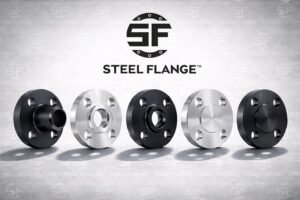
In today’s fast-moving industrial landscape, efficiency and safety depend heavily on the strength of connections within piping systems. One small failure can lead to costly downtime, leakage, or even hazardous situations. This is where steel flanges play a vital role.
Steel flanges are not just connectors—they are critical components that ensure stability, durability, and long-term performance in pipelines across industries. From oil refineries to water treatment plants, flanges form the backbone of every reliable piping system.
What Are Steel Flanges?
https://steelflangemfg.com/flanges-2/
Steel flanges are mechanical parts used to connect pipes, valves, pumps, and other equipment. They are typically joined using bolts with a gasket placed in between to create a tight and leak-proof seal.
Unlike permanent welded joints, flanges allow easy disassembly. This makes inspection, cleaning, and maintenance much more convenient, saving both time and cost in the long run.
Importance of Steel Flanges in Industrial Systems
https://steelflangemfg.com/flange-manufacturing-process/
A piping system is only as strong as its weakest joint. Even high-quality pipes cannot perform efficiently if the connections are not secure. Steel flanges ensure:
- Strong and stable connections
- Resistance to high pressure and temperature
- Easy installation and maintenance
- Reduced risk of leakage
- Long service life
Their reliability makes them indispensable in critical operations where safety is non-negotiable.
Types of Steel Flanges
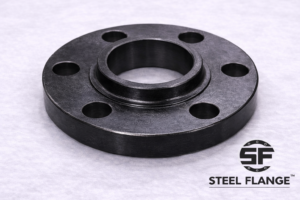


Weld Neck Flanges
Weld neck flanges are designed for high-pressure and high-temperature environments. Their long tapered hub helps distribute stress evenly, reducing the chances of failure.
Slip-On Flanges
Slip-on flanges are easy to install and cost-effective. They are commonly used in low-pressure applications such as water pipelines and general industrial systems.
Blind Flanges
Blind flanges are used to seal the end of a pipeline. They are ideal for pressure testing and future pipeline expansion.
Socket Weld Flanges
Socket weld flanges are suitable for small-diameter pipes and high-pressure systems. They provide strong, leak-proof connections.
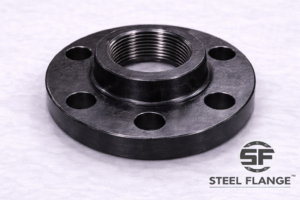
Threaded Flanges
Threaded flanges do not require welding, making them suitable for low-pressure and non-critical applications.
Materials Used in Steel Flanges
Steel flanges are manufactured using different materials depending on their application:
- Carbon Steel Flanges – Strong and economical
- Stainless Steel Flanges – Excellent corrosion resistance
- Alloy Steel Flanges – Suitable for extreme temperature and pressure conditions
Selecting the right material is essential for ensuring performance and durability.
Applications of Steel Flanges
Steel flanges are widely used across various industries, including:
- Oil & Gas Industry
- Petrochemical Plants
- Power Generation Units
- Water Treatment Facilities
- Construction and Infrastructure Projects
Their versatility and strength make them a preferred choice for both small-scale and large-scale operations.
Key Benefits of Steel Flanges
Steel flanges offer multiple advantages, such as:
- Leak-proof and secure connections
- High strength and durability
- Easy inspection and maintenance
- Resistance to extreme environmental conditions
- Long operational life
These benefits help industries reduce maintenance costs and improve efficiency.
How to Choose the Right Steel Flange
Choosing the correct flange is crucial for optimal performance. Key factors to consider include:
- Operating pressure and temperature
- Type of fluid being transported
- Environmental exposure
- Installation and maintenance requirements
A well-informed choice ensures better performance, safety, and cost savings.
Conclusion
Steel flanges are an essential component of modern industrial piping systems. They ensure strong connections, improve system reliability, and enhance overall efficiency.
Investing in high-quality steel flanges is not just about meeting requirements—it’s about ensuring long-term performance, safety, and peace of mind.